Mastering Pasta Shape and Sauce Pairings
Discover the essential rules for pairing pasta shapes with sauces to enhance your Italian cooking experience. Unlock delicious combinations today!
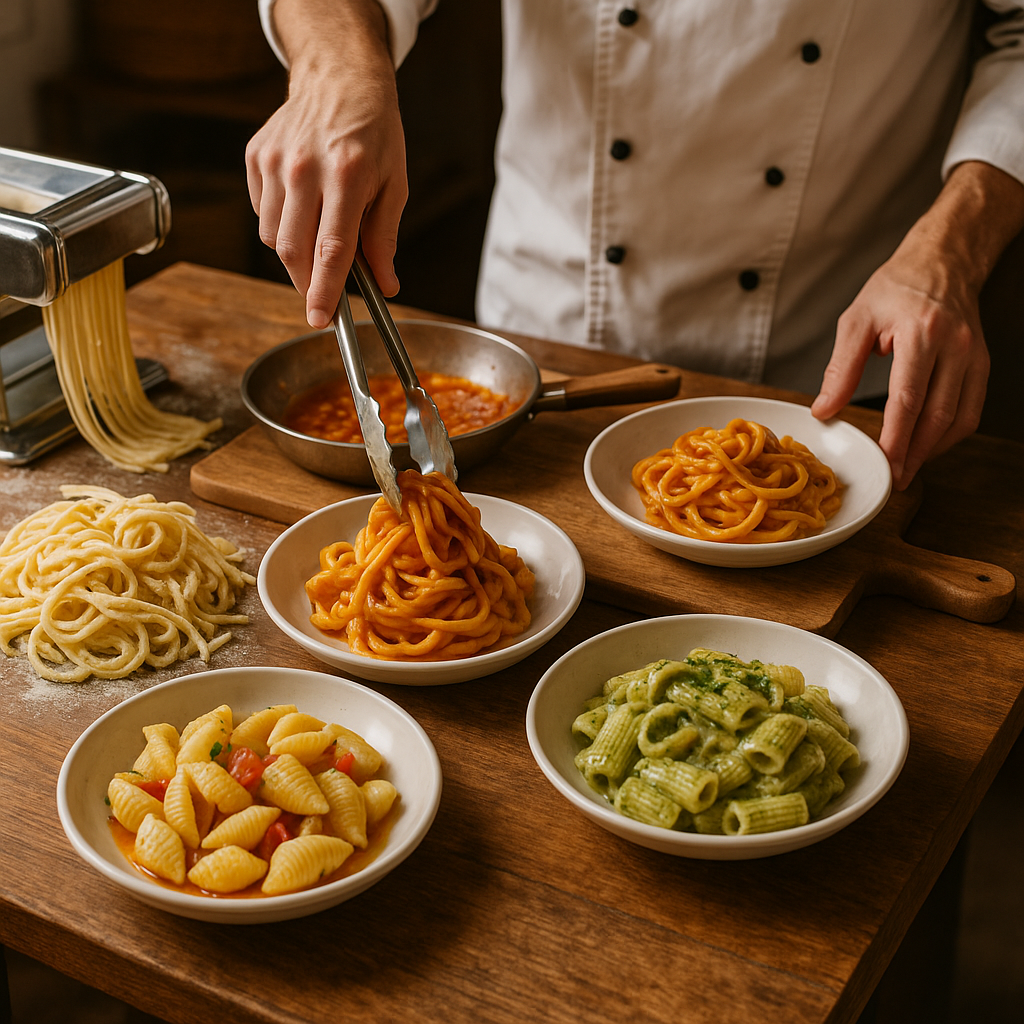
Pairing pasta with sauce is not about rules handed down from some official list. It is about surface area, texture, and how well the sauce stays on the pasta between the bowl and the fork. Once you understand what each shape is doing, you can improvise instead of memorizing.
What shape actually does
Every shape solves a problem. Ridges and spirals give sauce something to grab. Hollow tubes catch small pieces of meat and vegetable inside them. Flat ribbons offer wide, smooth surfaces that suit sauces rich enough to coat without sliding off. Thin strands need a sauce loose enough to move between them.
- Spaghetti and linguine: Long and thin. Best with sauces that flow, such as garlic and oil, clams, or a smooth tomato sauce.
- Fusilli: Spirals with a lot of surface area. Good with pesto and finely chopped or minced sauces.
- Penne and rigatoni: Tubes that trap chunky sauces and stand up to baking.
- Fettuccine and tagliatelle: Flat ribbons that carry rich sauces, including butter-based sauces and meat ragù.
- Orecchiette and shells: Small cups that hold sausage, broccoli rabe, peas, and anything else that would otherwise sink to the bottom.
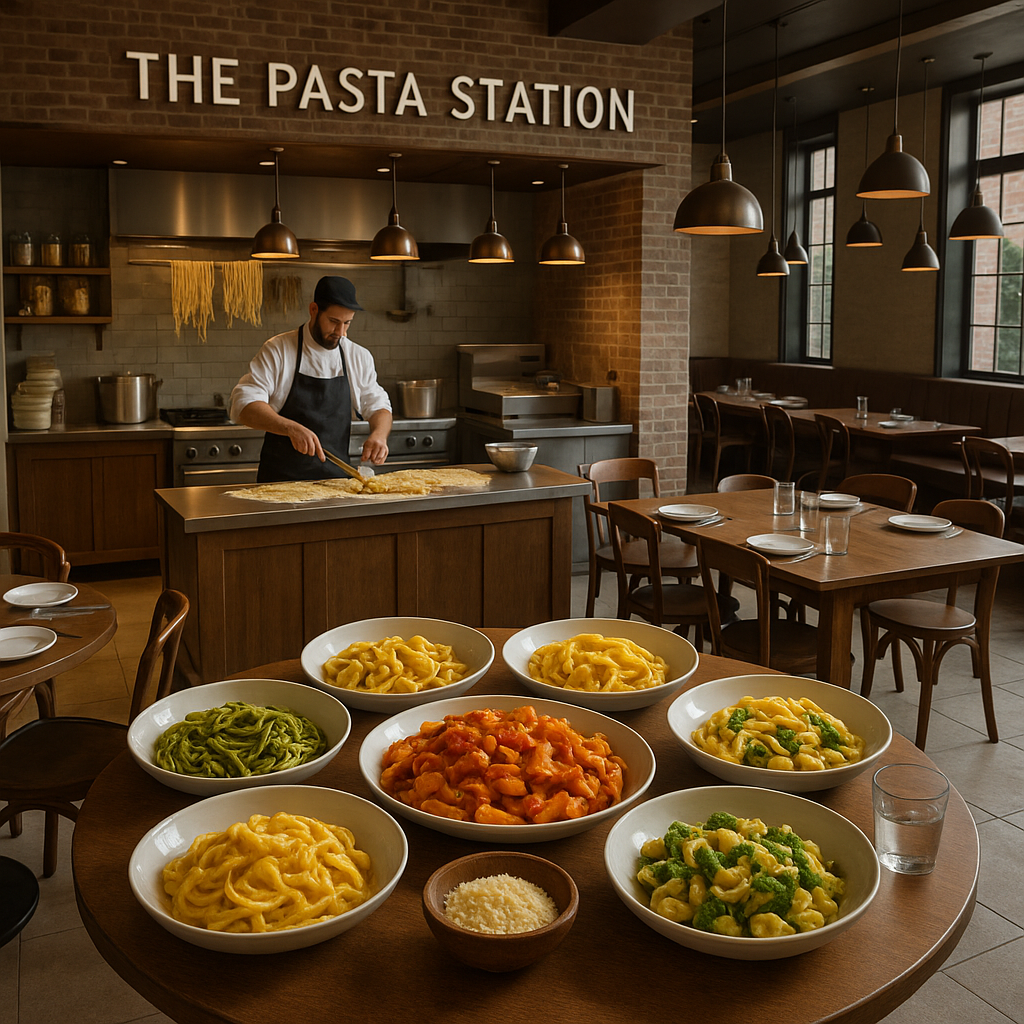
Pairings worth knowing
These combinations show up constantly because they work, not because anyone is enforcing them:
- Spaghetti aglio e olio: Garlic, olive oil, chili, and pasta water. The sauce is thin enough to coat every strand.
- Fusilli with pesto: The spirals hold onto a sauce that would slide off a smooth noodle.
- Penne arrabbiata: A spicy tomato sauce that fills the tubes as much as it coats them.
- Tagliatelle with ragù: Wide ribbons give a slow-cooked meat sauce enough surface to cling to.
- Fettuccine with butter and Parmigiano: Worth noting that the Roman original is butter and cheese emulsified with pasta water. The heavy cream version most people know as Alfredo developed largely in the United States. Both are good; they are just different dishes.
Four principles that do most of the work
- Match weight to weight. Heavy, fatty sauces overwhelm delicate pasta. Light sauces disappear on thick, chewy shapes.
- Match texture to texture. Smooth sauces suit smooth pasta. Chunky sauces need ridges, twists, or hollows to hold onto.
- Size the solids to the shape. If the pieces in your sauce are bigger than a bite of pasta, they will separate in the bowl. Chop accordingly.
- Finish the pasta in the pan. Drain a minute early, add the pasta to the sauce with a splash of the cooking water, and toss over heat for thirty to sixty seconds. The starch in that water is what binds sauce to pasta.
Salting and cooking the pasta
Salt the water once it boils. Roughly a tablespoon of salt per 4 quarts (about 4 liters) is a reasonable starting point, then adjust to your taste and to how salty the sauce is. Skip the oil in the water; it coats the pasta and makes sauce slide off.
Start tasting a minute or two before the package time says you should. Dried pasta timings vary by brand and shape, and fresh pasta cooks in a fraction of the time, often two to four minutes.
Common questions
Can I mix different shapes in one dish?
You can, but cook them separately. Shapes rarely share a cooking time, and combining them in one pot means something ends up overcooked.
Is there a sauce that works with everything?
Butter or olive oil with cheese and pasta water comes closest. It is thin enough for strands and rich enough for tubes, which is why it is the default when you are improvising.
Does fresh pasta need a different sauce than dried?
Often, yes. Fresh egg pasta is softer and more absorbent, so it pairs well with butter and cream-based sauces or a slow ragù. Dried semolina pasta has more bite and holds up better to bold tomato and oil-based sauces.
Try a pairing you have not cooked
Explore current choices through Weekly Pasta or visit the store.