Meat Lasagna or Eggplant Lasagna: Choosing for a Mixed Table
Compare classic meat and eggplant vegetarian lasagna for a mixed group.
Meat Lasagna or Eggplant Lasagna: Choosing for a Mixed Table
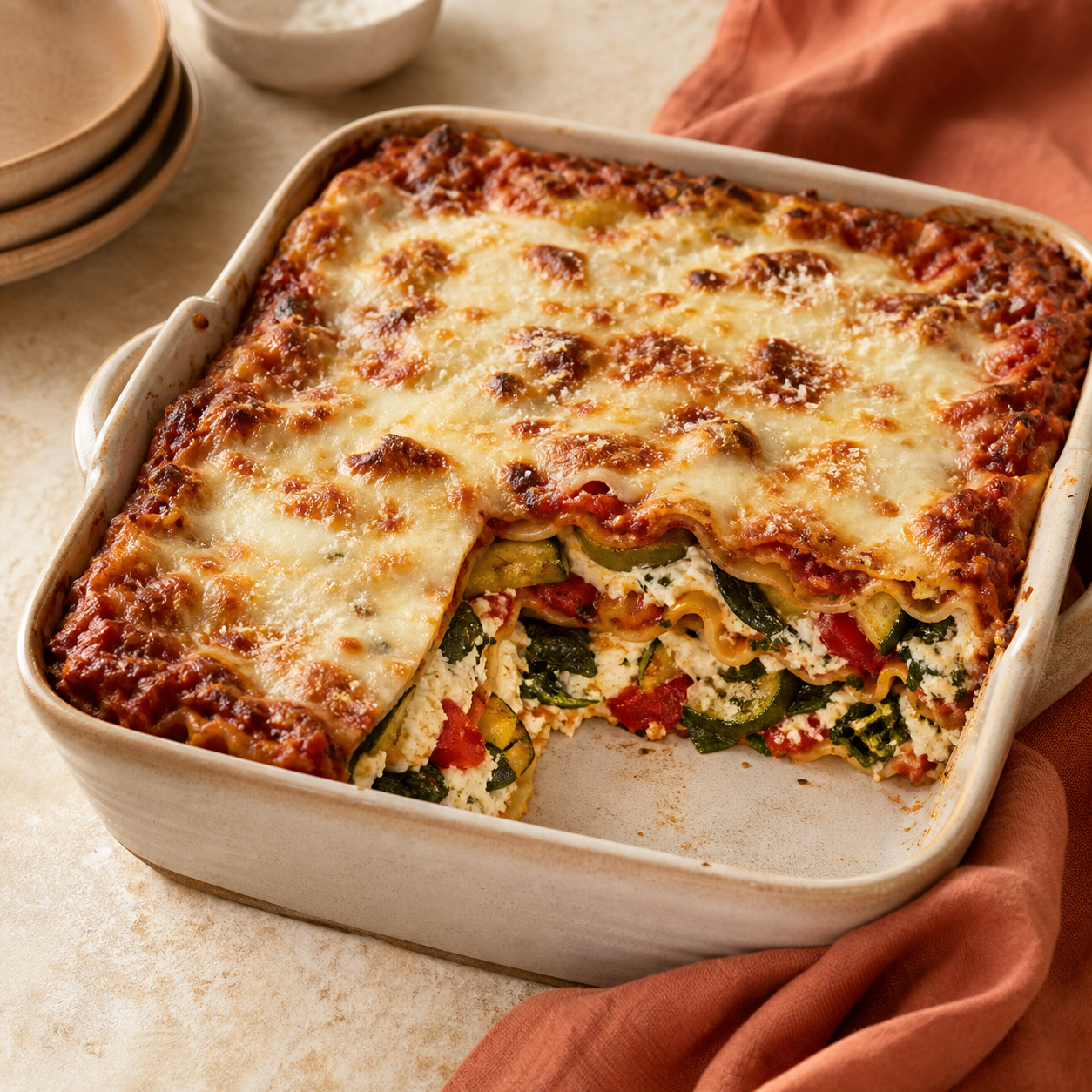
A mixed table does not need a complicated menu. Classic meat lasagna gives the familiar richness many guests expect, while eggplant vegetarian lasagna provides a substantial meat-free centerpiece rather than an afterthought. The decision is rarely about which lasagna is better. It is about who is sitting down to eat, how many of them there are, and how much you want to manage once the trays are open.
This guide walks through how to make that call quickly, what to confirm before you order, and how to serve a mixed group without turning dinner into a logistics problem.
Start with the guest list, not the menu
Most ordering mistakes happen because the host guesses. Someone assumes the vegetarian guest will be happy with a side salad, or assumes nobody minds meat, or assumes one person's preference is a passing thing rather than a firm rule. Then the tray comes out and half the table is quietly rearranging their plate.
Ask about vegetarian preferences before ordering. A short message to the group is enough: are you eating meat at this meal, yes or no? You are not asking anyone to justify their answer. You are counting heads so you can buy the right food.
Pay attention to the difference between a preference and a requirement. A guest who usually eats vegetarian but will happily take a small portion of meat lasagna is easy to plan around. A guest who does not eat meat at all needs a real option on the table, not a workaround. That distinction changes what you order more than anything else on this page.
What each style actually does at the table
Classic meat lasagna
This is the version most guests picture when someone says lasagna. It is the safe center of the table for a group with no dietary restrictions, and it is usually the tray that disappears first at a mixed gathering where meat eaters outnumber everyone else. If you are feeding a group that is largely omnivorous and you only want one dish, this is the straightforward choice.
Eggplant vegetarian lasagna
The eggplant version is built to stand on its own. That matters more than it sounds. A vegetarian guest who is handed a plate of side dishes has been fed but not really hosted. A vegetarian guest who is served a proper slice of lasagna is eating the same meal as everyone else, which is the entire point of setting a mixed table well.
One important limit: the eggplant lasagna still contains dairy in our published recipe. It is a vegetarian dish, not a vegan or dairy-free one. Do not present it as either. If a guest avoids dairy, this tray does not solve that problem, and it is far better to know that before the meal than during it.
One tray or two?
For a small gathering with a clear majority in one direction, a single style usually works. If everyone eats meat, order meat lasagna. If the group is vegetarian or mostly vegetarian, order the eggplant.
For a larger gathering, or any group with a real split, pairing both styles is the simpler path even though it sounds like more work. Two trays create genuine choice, and they make portions easier to manage because guests self-select instead of everyone drawing from the same dish and hoping there is enough left. It also removes the awkward moment where the last vegetarian serving is gone because someone who had other options took a second helping.
A useful test: if going with one style would force even a single guest to eat around the main dish, order two.
Getting the split right
Select sizes according to the actual split in your group rather than dividing evenly by default. If eighteen of your twenty-four guests eat meat, an even split leaves you with a half-empty eggplant tray and a scraped-clean meat tray.
Two things are worth building into your count. First, vegetarian dishes at mixed tables are frequently eaten by non-vegetarians as well, especially when the group is grazing across both options, so the meat-free tray tends to go faster than a strict headcount suggests. Second, appetites vary with the occasion. A seated dinner where lasagna is the main event runs through more than a buffet where it shares space with several other dishes.
Count your confirmed guests, note the split, then choose sizes with those two adjustments in mind. Reviewing the current size options before you finalize numbers is the easiest way to land close.
Serving a mixed table without mix-ups
Keep serving utensils separate. One serving spoon per tray, and it stays with that tray for the whole meal. This is the single most common failure at otherwise well-planned mixed tables, and it is the one that matters most to the guests who were counting on the meat-free option.
A few more habits that make service easier:
- Label the trays clearly, or place them far enough apart that nobody has to guess which is which.
- Set the vegetarian tray where a guest can reach it without crossing the whole table.
- Tell the group what is on offer before people start serving themselves, so guests with restrictions are not inspecting dishes in front of everyone.
- Serve the first portions yourself if the group is large. It slows the initial rush and keeps both trays on pace.
Rounding out the menu
Add a neutral salad or bread everyone can share. Neutral is the operative word. Sides that work for every guest at the table keep the meal simple and mean you are not managing three or four separate dietary tracks alongside the main dish.
This also gives you a buffer. If one tray runs shorter than expected, shared sides absorb the difference without anyone going hungry.
A quick ordering checklist
- Confirm your final headcount.
- Ask who is eating vegetarian at this meal.
- Decide on one style or two based on that split.
- Choose sizes weighted toward the larger group, with a little extra room on the vegetarian side.
- Check the published recipe details against any dietary restrictions in your group.
- Plan a shared salad or bread.
- Set out separate serving utensils before guests arrive.
Common questions
Is the eggplant lasagna vegan or dairy-free?
No. It contains dairy in our published recipe. It is a vegetarian option and should not be described to guests as vegan or dairy-free.
Can I order both styles for the same event?
Yes, and for larger or genuinely mixed groups it is usually the better approach. Two trays give guests a real choice and make portioning more predictable.
How do I decide what size to order?
Base it on your confirmed headcount and the actual vegetarian split in your group, not an even division. Weight the sizes toward whichever group is larger, and allow for the fact that meat eaters often take some of the eggplant too.
Will one vegetarian tray be enough?
It depends on how many guests are drawing from it. If the meat-free tray is likely to attract non-vegetarian guests as well, size it up rather than assuming only the vegetarians will eat it.
What if a guest has a specific allergy or dietary restriction?
Check the published recipe details for the dish you are considering before you order, rather than assuming a vegetarian dish is free of a particular ingredient. Vegetarian and allergen-friendly are not the same thing.
What should I serve alongside?
A neutral salad or bread that everyone at the table can share. It keeps the menu simple and gives you a cushion if one tray goes faster than the other.
The short version
If your group eats meat, order the classic meat lasagna. If your group is meat-free, order the eggplant. If your group is genuinely mixed, order both, size them to the real split, and keep the serving utensils separate. That is most of the work, and it takes about five minutes of asking the right question up front.