Reheating Pasta Safely: Tips and Tricks
Learn how to reheat your leftover pasta safely with expert tips from The Pasta Station. Keep your dishes delicious and safe!
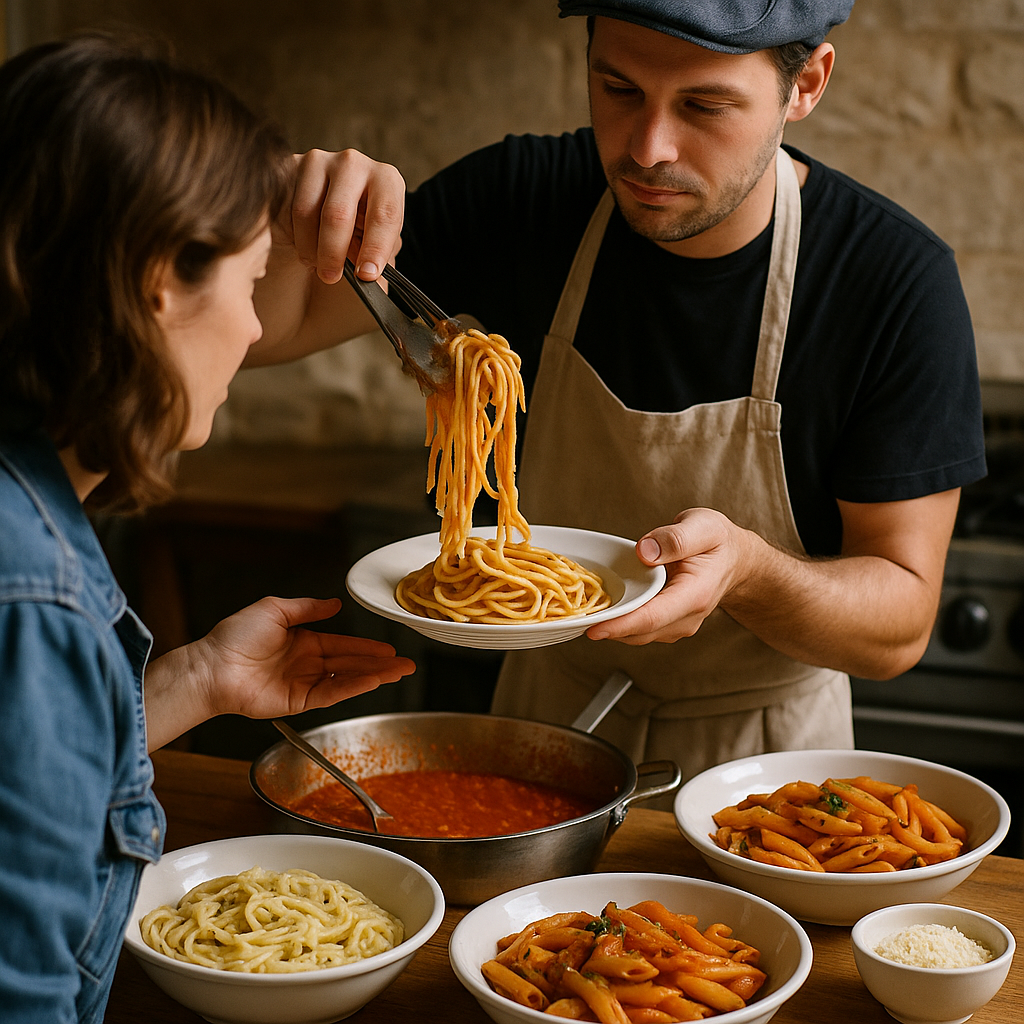
Leftover pasta deserves better than a mushy, unevenly heated second act. Reheat it well and it tastes close to the day you made it. Reheat it carelessly — or store it too long — and you risk both texture and food safety. Here's how to do it right.
Good reheating starts with good storage
Most reheating problems are actually storage problems. Cooked pasta is starchy, moist and low in acid, which makes it a comfortable place for bacteria to grow once it sits out at room temperature. Some of those bacteria produce toxins that heat won't reliably destroy later, which is why "I'll just microwave it longer" isn't a fix for pasta that spent the night on the counter.
- Chill it quickly. Get cooked pasta into the refrigerator within 2 hours of serving. If the room is hot — above roughly 90°F (32°C), like an outdoor table in a Florida summer — cut that window to 1 hour.
- Use shallow containers. A wide, shallow container cools far faster than a deep pot. Divide large batches into smaller portions rather than refrigerating one dense mass.
- Keep the fridge cold. Aim for 40°F (4°C) or below, and check it with a fridge thermometer rather than trusting the dial.
- Eat it within 3 to 4 days. Past that, freeze it instead. Plain cooked pasta, sauced pasta and baked dishes all freeze reasonably well, though cream-based sauces can separate slightly on thawing.
- Thaw safely. Move frozen portions to the refrigerator overnight, or reheat straight from frozen. Don't thaw on the counter.
The one number that matters
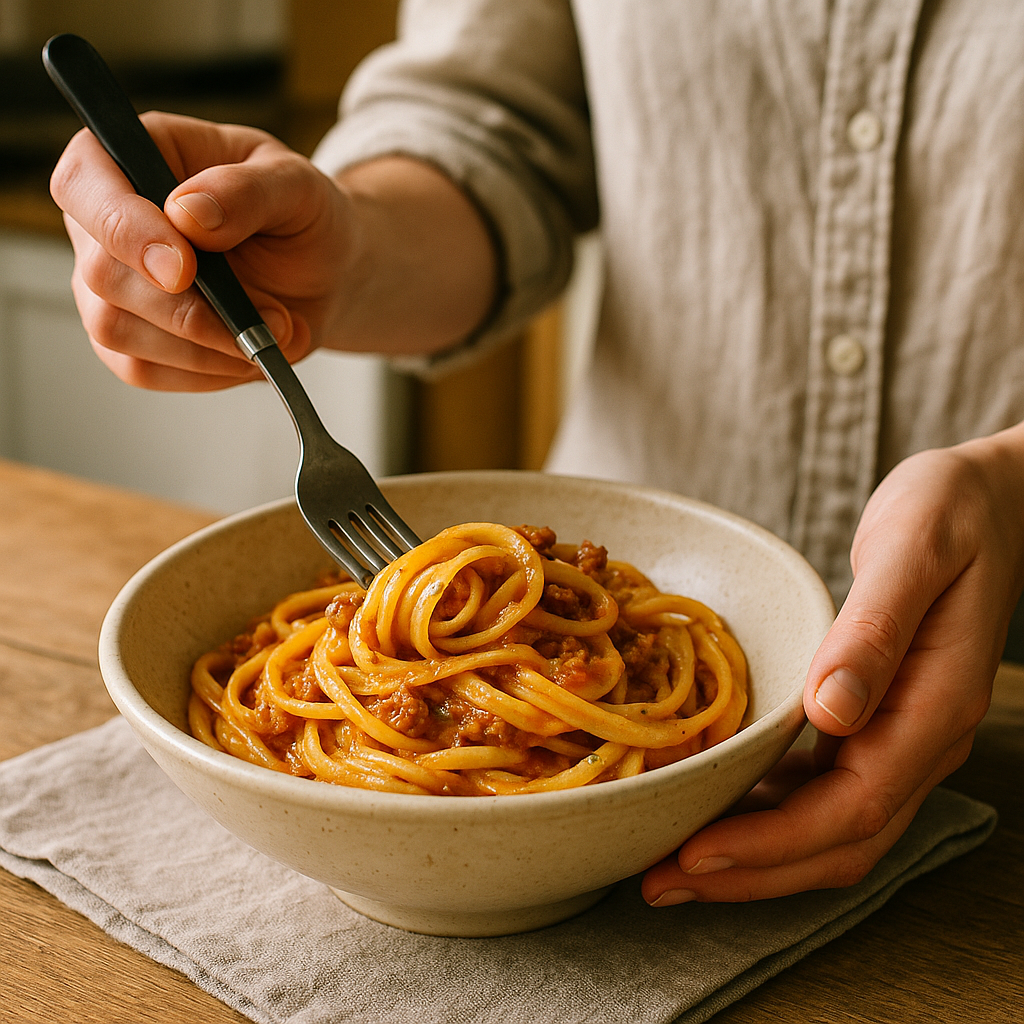
Reheat leftovers until they're steaming hot all the way through — 165°F (74°C) measured in the center with a food thermometer. Sauced and baked dishes heat unevenly, so check the middle, not the edges. If the center is only lukewarm, keep going and check again; a hot rim around a cool core is the most common reheating failure.
One more habit worth building: reheat only what you plan to eat. Every trip back through the temperature danger zone adds risk, and repeatedly reheating the same container of baked ziti does the texture no favors either.
Pick the right method for the dish
Plain pasta, no sauce
Drop it into a strainer and dunk it in boiling water for 30 to 60 seconds, then drain and toss with sauce. It's the fastest route back to a proper al dente bite, and it rehydrates strands that stiffened in the fridge.
Sauced pasta
A skillet over medium-low heat is your best tool. Add a splash of water, broth or reserved pasta water, cover, and stir every minute or so until it's hot through. The added liquid turns to steam and heats the pasta evenly instead of frying the bottom layer. Tomato and oil-based sauces handle this beautifully. Cream and cheese sauces need lower heat and more stirring, since they can break or turn grainy if pushed hard.
Baked dishes
Lasagna, baked ziti and stuffed shells do best in the oven around 350°F (175°C), covered with foil so the top doesn't dry out before the center catches up. Depending on portion size this can take 20 to 40 minutes — longer from frozen. Uncover for the last few minutes if you want the top to crisp, then check the center with a thermometer before serving.
Microwave
Perfectly good if you use it properly. Spread the pasta in an even layer in a microwave-safe dish, add a spoonful of water or sauce, cover loosely, and heat in short bursts, stirring between each one. Microwaves heat in hot and cold pockets, so stirring and a minute or two of standing time afterward matter as much as the total cook time. Then check the temperature.
Textures that don't survive the trip
Some things reheat better than others, and it helps to plan around that. Seafood pasta tends to toughen quickly, so warm it gently and accept it won't be identical. Delicate fresh pasta softens more than dried. Anything that was crisp — breadcrumb topping, fried garnish, crusty edges — will need dry heat in the oven or a toaster oven to come back, not a microwave. And pasta that was slightly underdone the first night reheats far better than pasta already cooked past al dente.
If you cook with next-day leftovers in mind, pull the pasta a minute early, dress it lightly, and keep extra sauce on the side to loosen things during reheating. That single habit does more for leftover quality than any reheating trick.
If you're serving guests, indoors or out
Reheating for a crowd raises the stakes, because food sits out longer than it does at home. The general principles are simple: reheat to 165°F (74°C) before it ever goes into a holding setup, keep hot food hot and cold food cold, and use chafing dishes or warmers to hold temperature rather than to bring cold food up to temperature — they aren't built for that.
Outdoors, heat and shade become part of the equation. Keep serving trays out of direct sun, replenish in small batches so the bulk of the food stays in a cooler or warmer, and shorten the two-hour rule to one hour when it's genuinely hot out. Discard anything that has sat in the danger zone too long instead of trying to reheat your way out of it.
Rules for serving the public — holding temperatures, thermometer use, transport and event permits — vary by county and state, and they change. If you're catering, selling, or running a station at a public event, follow the current requirements from your local health department rather than general advice like this article.
Quick answers
Can I reheat pasta twice? It's better not to. Portion out what you'll eat and leave the rest chilled.
Why did my creamy sauce split? Usually too much heat, too fast. Go low and slow, stir often, and loosen with a splash of milk, cream or pasta water.
How do I stop leftover pasta from clumping? Toss it with a little oil before refrigerating, and add liquid when you reheat. Clumped pasta almost always just needs moisture and gentle heat.
Is it safe if it looks and smells fine? Not necessarily. Appearance and smell don't reveal every problem, so go by time and temperature instead.
Let us handle the hot part
Great leftovers start with food that was made well in the first place. Browse what's on the weekly pasta lineup, take a look at the store, or check our locations to find us. Planning something bigger? Book a pasta station and we'll take the timing, temperature and service off your plate.