The Ultimate Guide to Family Style Italian Dinners
Explore how to create a memorable family-style Italian dinner with perfect pasta and sauce pairings, enhancing the joy of sharing food with loved ones.
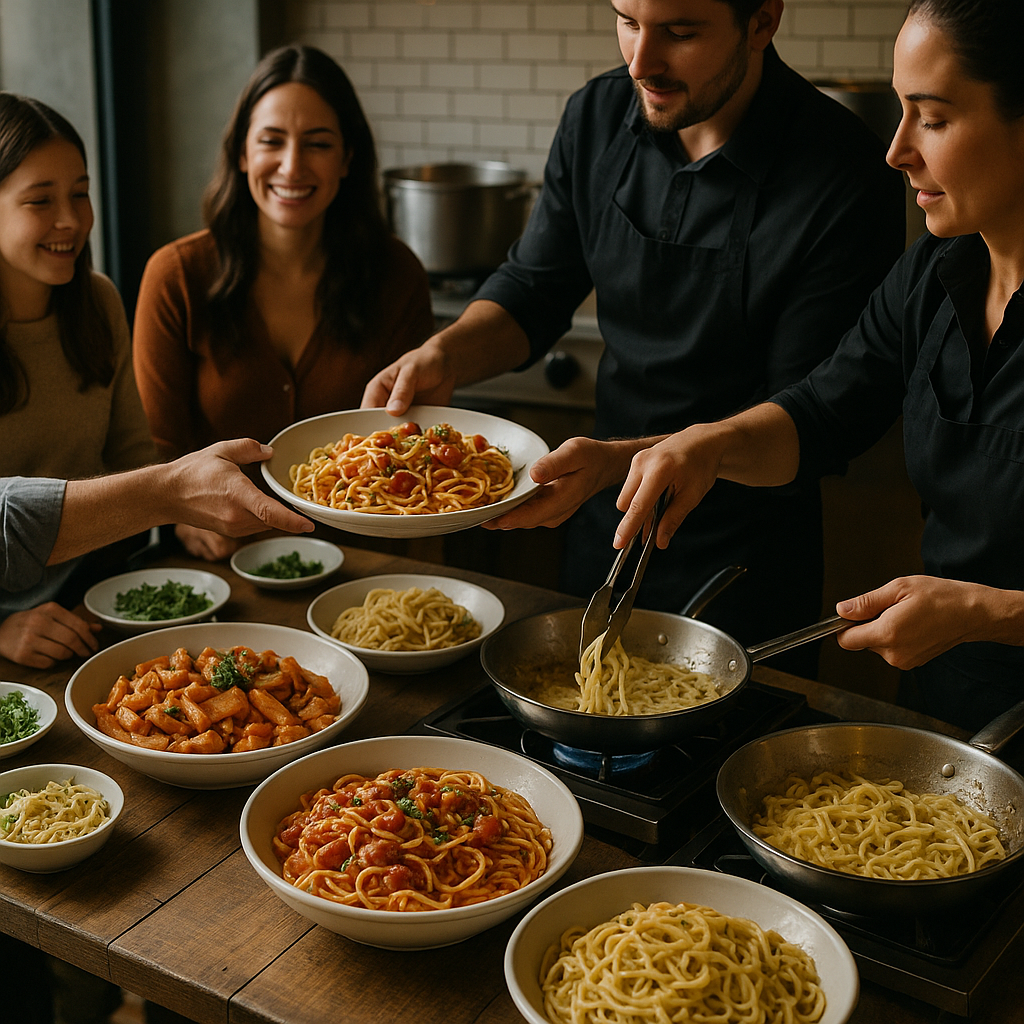
Family style means the food goes to the table in big bowls and everyone serves themselves. It takes pressure off the cook, it scales easily, and it keeps people at the table longer. It also changes how you plan the meal: you are not plating individual portions, you are building two or three dishes that hold up while they get passed around.
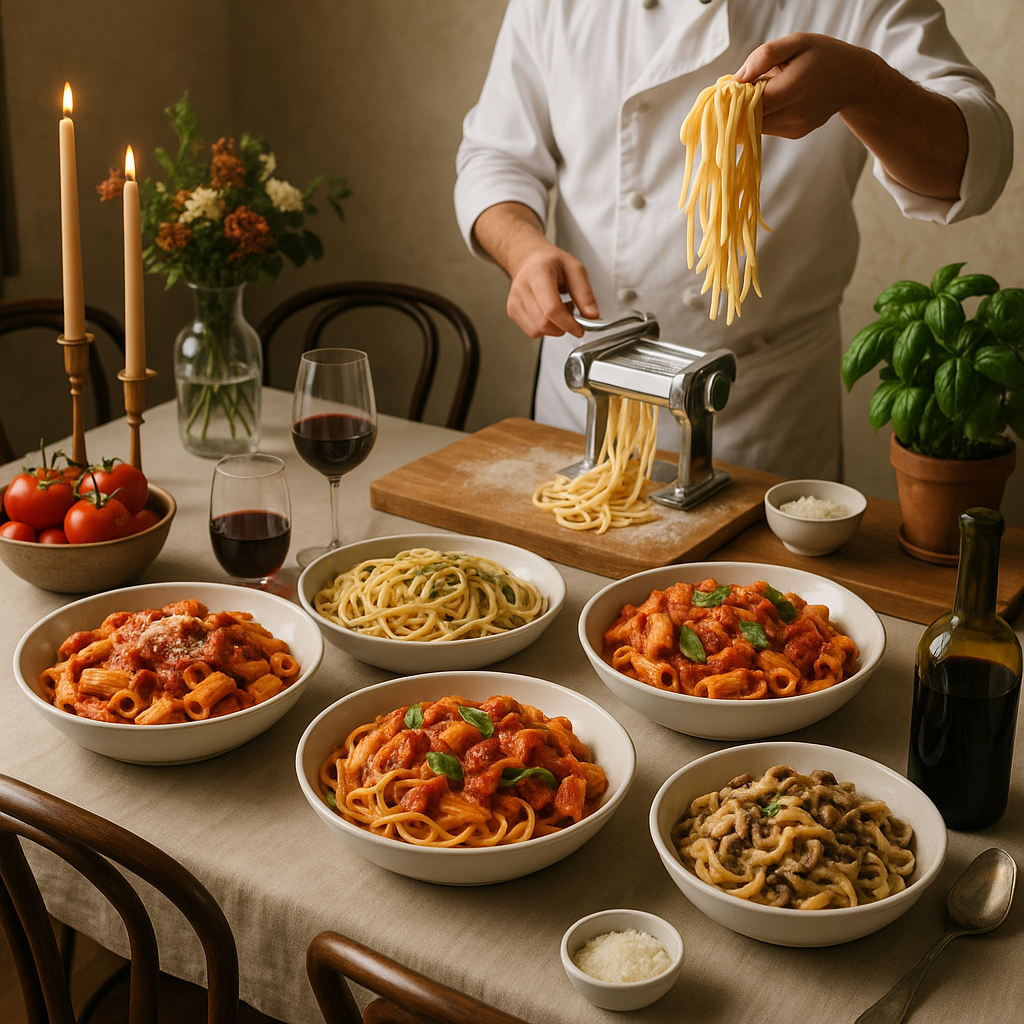
Plan the menu around sharing
Two or three dishes beat five. A pasta as the centerpiece, one green salad, and good bread will feed a table well without leaving you stuck in the kitchen. If you want a second pasta, make it a contrast rather than a variation: one tomato-based, one with olive oil or butter, so nobody feels like they are eating the same plate twice.
Cook one dish that can sit for fifteen minutes without suffering. Baked pasta, a hearty ragù, and roasted vegetables all tolerate a delay. Delicate cream sauces do not, so save those for a plated meal.
Pick pasta shapes that survive the table
Shape affects how much sauce clings and how the pasta behaves after it leaves the pot. These pairings are conventions rather than rules, but they are conventions for a reason:
- Rigatoni and penne: Sturdy tubes that hold chunky meat and vegetable sauces, and the safest choice for a big bowl that will sit out.
- Fusilli: The spirals trap pesto and finely chopped sauces, and it stays loose instead of clumping.
- Spaghetti and linguine: Excellent with marinara, garlic and oil, or clams, though long strands tangle once they cool.
- Farfalle: Good with lighter sauces and the shape most people find easy to serve with tongs.
For a crowd, cook the pasta a minute short of the package time. It keeps firming up in the residual heat, and a minute of insurance is the difference between al dente and soft by the second helping.
Build a sauce that carries the meal
A simmered tomato sauce or a slow ragù is the most forgiving centerpiece you can make, and both improve after a night in the fridge. A few things make a real difference:
- Season in stages. Salt the onions, salt again after the tomatoes go in, and taste before serving. Sauce reduces, so seasoning that tastes right early can taste sharp later.
- Give it time. Twenty minutes gets you a decent tomato sauce; ninety minutes at a bare simmer gets you a much better one.
- Finish the pasta in the sauce. Drain the pasta slightly early, move it into the pan with the sauce, and add a ladle of the starchy cooking water. That is what makes sauce coat pasta instead of pooling under it.
Fresh herbs and good olive oil help, but so do canned San Marzano-style tomatoes and a Parmigiano rind. Use what you can actually source well.
How much to make
A common rule of thumb is about 2 ounces (55 g) of dry pasta per person as part of a larger meal, or 3 to 4 ounces (85 to 115 g) if pasta is the main event. For family style, add roughly a quarter on top: bowls empty faster when people are serving themselves, and leftovers are the point.
Set the table for passing
- Put serving spoons and tongs in every bowl before anyone sits down.
- Keep the center of the table clear enough that dishes can actually move. Tall centerpieces and family style do not mix.
- Use warmed bowls for pasta if you can; a cold bowl pulls heat out of the dish immediately.
- Set out water, bread, and cheese at both ends so nothing has to travel the whole table.
Common questions
What counts as a family-style dinner?
Food is served in shared platters and bowls that guests pass and portion themselves, rather than being plated in the kitchen. It sits somewhere between a buffet and a plated dinner.
Do I need to cook traditional regional recipes?
Italian cooking is deeply regional, and there is no single traditional version of most dishes. Cook the version you can source good ingredients for and make well. That will land better than an unfamiliar recipe executed under pressure.
Can I mix pasta shapes in one meal?
Across separate dishes, yes, and it adds variety. In the same pot, no. Different shapes finish at different times and you will end up with some pieces mushy and others underdone.
Let us handle the pasta
If you would rather sit at the table than stand over the stove, we cook fresh pasta on site for eligible gatherings. Book a pasta station for your next dinner, or check where we serve.